
Asian Swamp Eels
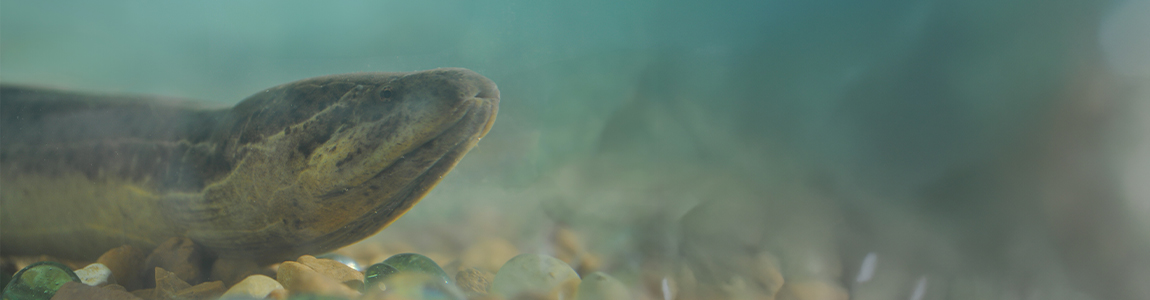
Two species of Asian Swamp Eel are now present in Florida. Here you can find information on their introduction and identification.
Swamp Eel Research

Two species of swamp eels — the Sunda swamp eel (Monopterus javanensis) and the cuchia (Ophichthys cuchia) — have been found living and reproducing in several lakes, creeks, and rivers around Central Florida, including in Orlando’s Winter Park Chain of Lakes. These non-native fish, originally from parts of Asia, were first discovered in Florida in the 1990s in Miami and Tampa. However, new surveys from 2023 to 2025 show they have now established themselves in areas where they had never been recorded before. This includes six Central Florida waterbodies and one cuchia specimen found in South Florida's Everglades region. The most likely source of these invasions is the release of live swamp eels purchased from food markets, where they have been sold for decades.
These swamp eels pose a serious threat to Florida’s aquatic ecosystems. They can survive in a variety of environments, can burrow into mud, and even breathe air, making them very hard to remove. In areas like the Everglades, their presence has been linked to sharp declines in native fish and crayfish populations, which could hurt the food chain, especially for birds that rely on these animals for food. Standard fish sampling and control methods don’t work well on swamp eels, and past removal attempts have been expensive and largely ineffective. Experts suggest that preventing further introductions through stronger regulation of live food markets, as was done with snakehead fish, might be the best way to stop their spread. Without action, these invasive eels may continue to damage Florida’s freshwater environments.
To better understand the spread and impact of swamp eels in Florida, the Florida Fish and Wildlife Conservation Commission (FWC), along with scientists from several agencies and institutions, have launched coordinated research and sampling efforts. Since 2023, FWC and partners from the U.S. Geological Survey, Florida Museum of Natural History, and local governments have conducted intensive fieldwork using electrofishing and other methods to locate and collect swamp eels across 52 Central Florida waterbodies. These events, called "Fish Slams," have helped confirm the presence of both Sunda swamp eels and cuchia in multiple watersheds. Researchers are collecting specimens for museum records, genetic analysis, and ongoing studies of their behavior and habitat. This work aims to track how these invasive species are spreading, understand their life cycles, and identify the types of habitats they prefer—all critical steps toward developing effective management and prevention strategies.

Asian Swamp Eels can gulp air at the surface allowing them to survive in low oxygenated waters.